We manage the entire process — so you can focus on building your clinical team and patient pipeline.
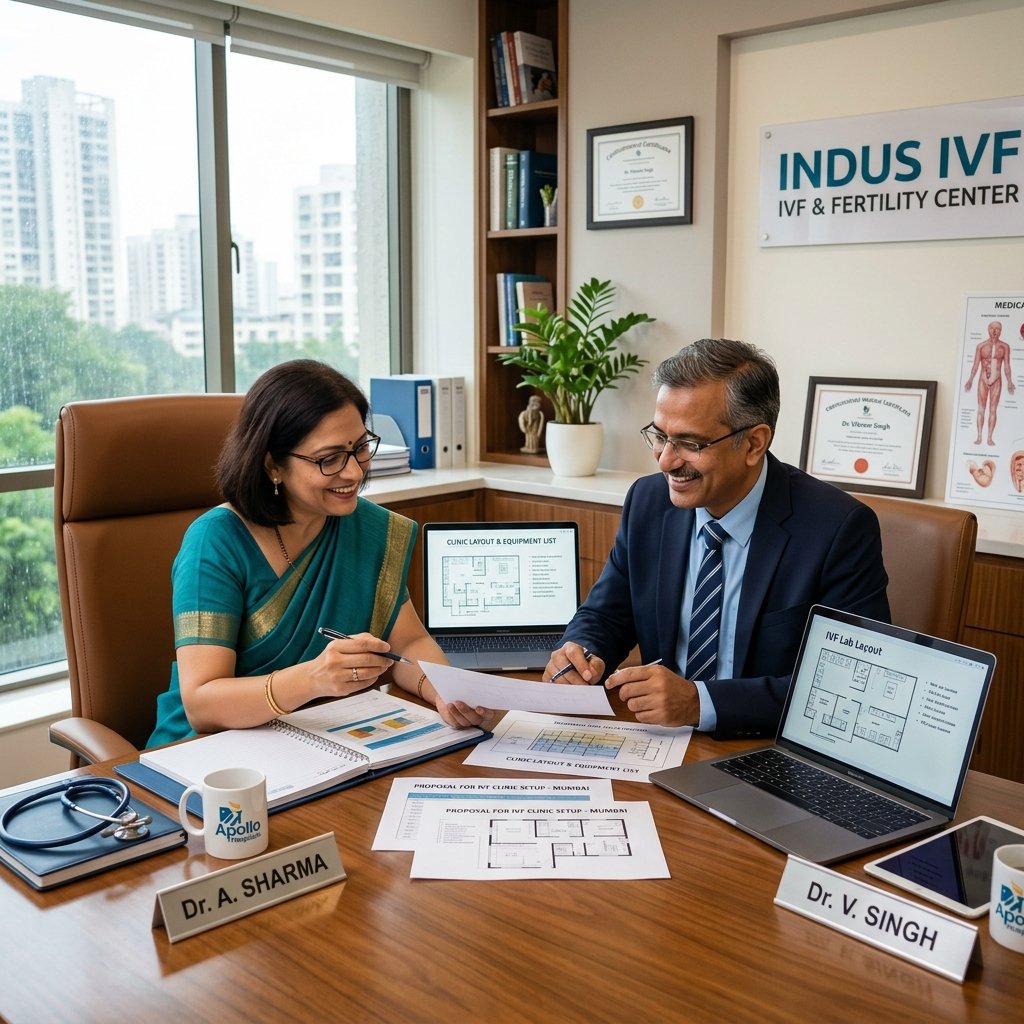
We meet (in-person or virtually) to understand your clinic vision, patient load, services planned, and budget. We then create a customised equipment and layout recommendation.
Our specialists design your IVF lab floor plan as per ICMR guidelines with ISO Class requirements, equipment placement for optimal workflow, gas line routing, and HVAC considerations.
We source, procure, and deliver all equipment — IVF workstations, CO₂ incubators, micromanipulators, cryo setup, and all consumables — with genuine warranties.
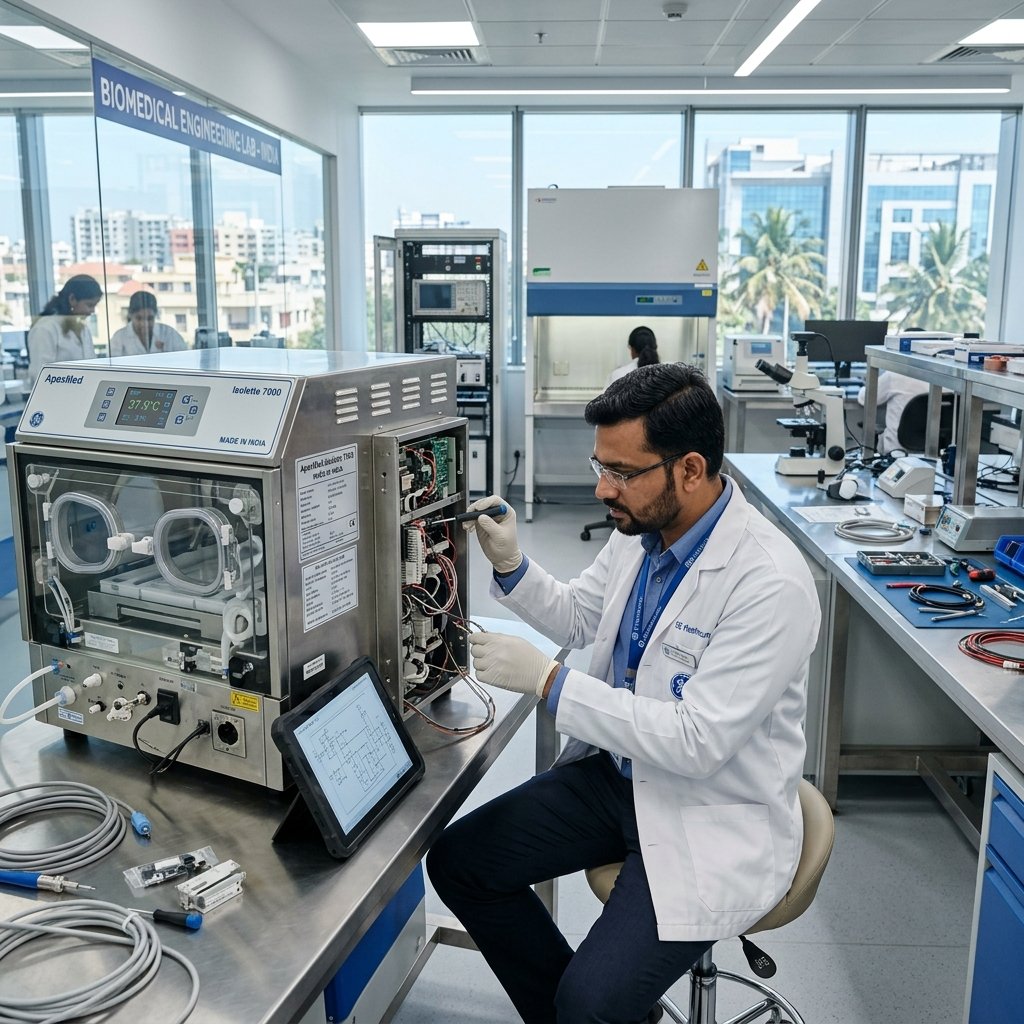
Factory-trained engineers install and commission all equipment, validate performance, and document everything for NABL audit requirements.
We help you prepare the documentation, equipment validation records, and SOPs required for ICMR ART Act 2021 registration.
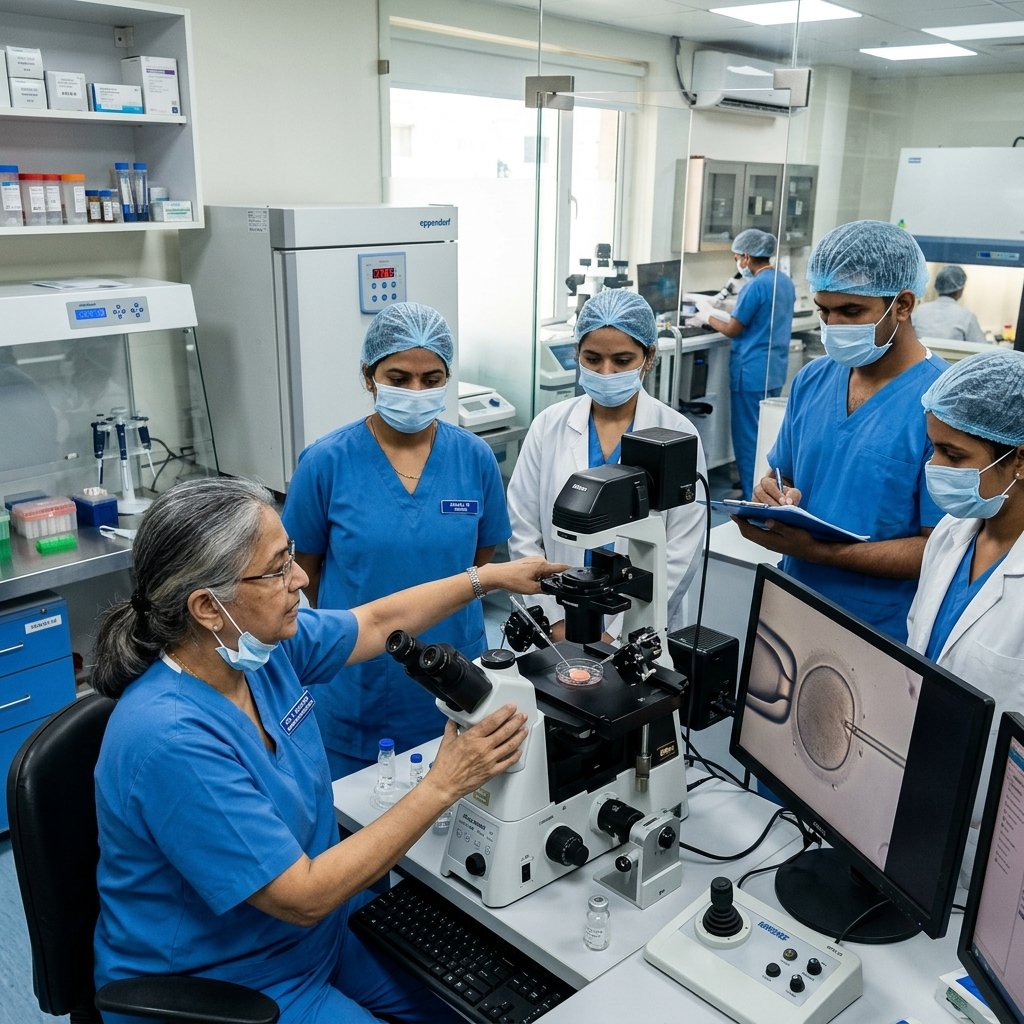
We train your embryologists, nursing staff, and lab technicians on all equipment — and remain available for support during your first 3 months of operation.
Ensure the IVF centre complies with the ART (Regulation) Act, 2021, ART Rules, and ICMR guidelines. Complete all mandatory registrations, documentation, and licensing before commencing operations.
Design a dedicated IVF laboratory with separate areas for embryology, andrology, ICSI, cryopreservation, semen collection, and sterilization. Maintain a unidirectional workflow to minimize contamination.
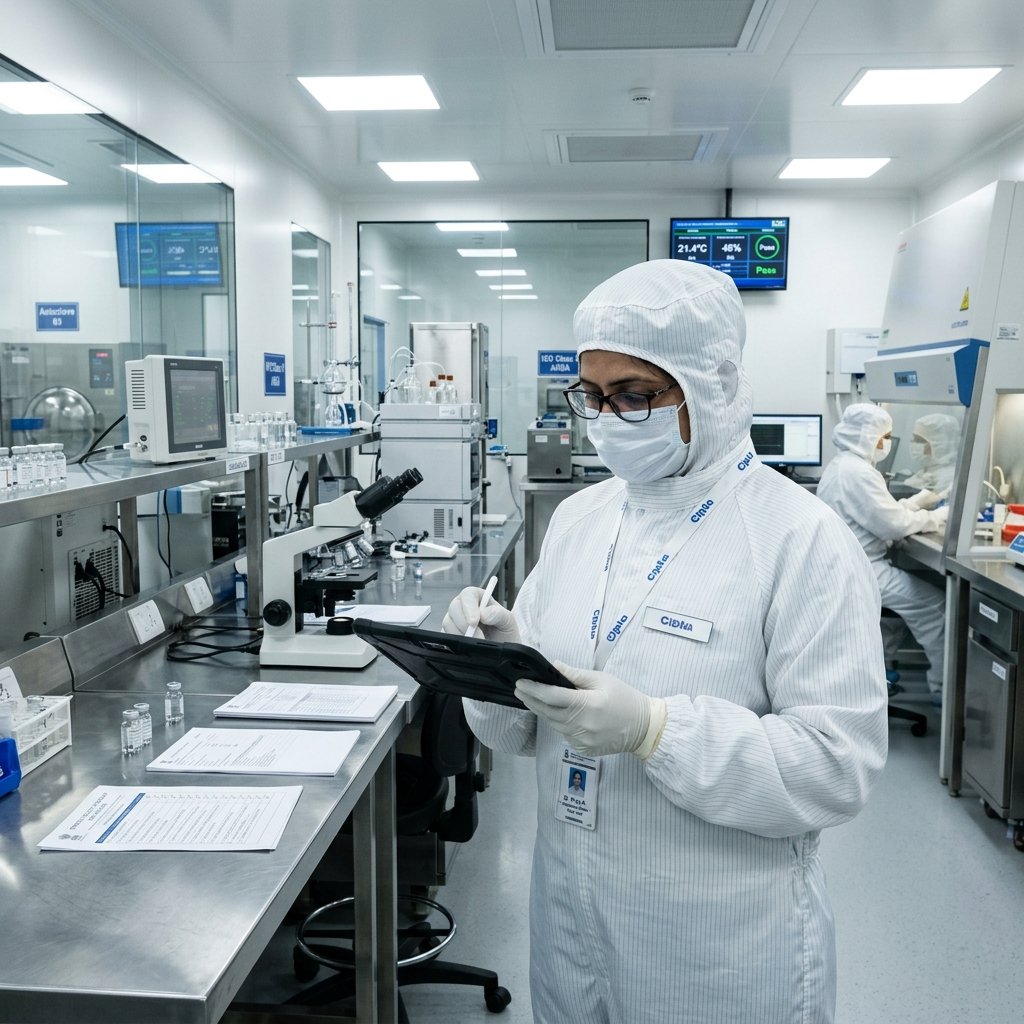
Install a high-quality HVAC system with HEPA and VOC filtration, maintaining positive air pressure, controlled temperature (22–25°C), and humidity (35–60%) to protect embryo viability.
Choose internationally recognized IVF equipment, including CO₂/Tri-Gas incubators, ICSI micromanipulation systems, laminar airflow workstations, inverted microscopes, cryopreservation systems, and reliable monitoring devices.
Ensure uninterrupted power supply with UPS and generator backup, stable gas supply (CO₂, N₂), purified water systems, and 24×7 monitoring with alarm systems for critical equipment.
Establish comprehensive Quality Control (QC) and Quality Assurance (QA) protocols, including equipment calibration, temperature monitoring, validation, documentation, and regular internal audits.
Implement strict infection control measures, sterilization protocols, biomedical waste management, PPE usage, and sample identification procedures to prevent contamination and ensure patient safety.
Recruit qualified embryologists, andrologists, technicians, and support staff. Provide continuous training, competency assessments, and updates on the latest ART practices and technologies.
Develop detailed SOPs for every laboratory process, including gamete handling, embryo culture, cryopreservation, witnessing systems, equipment maintenance, and emergency response procedures.
Regularly monitor Key Performance Indicators (KPIs) such as fertilization, cleavage, blastocyst formation, implantation, and pregnancy rates. Adopt advanced technologies such as electronic witnessing, time-lapse incubators, and AI-assisted embryo assessment to improve clinical outcomes.
Minimum 2 units recommended.
Temperature-controlled embryo handling work area.
With heated stage for embryo assessment.
For ICSI procedures — joystick-controlled precision system.
Liquid nitrogen dewar tanks for vitrification/freezing equipment.
For sperm se\paration and cell preparation.
ISO Class 5 clean environment for media preparation.
CASA system for sperm morphology and motility analysis.
Get a consultation, site visit, and customised equipment proposal — at no cost or obligation.